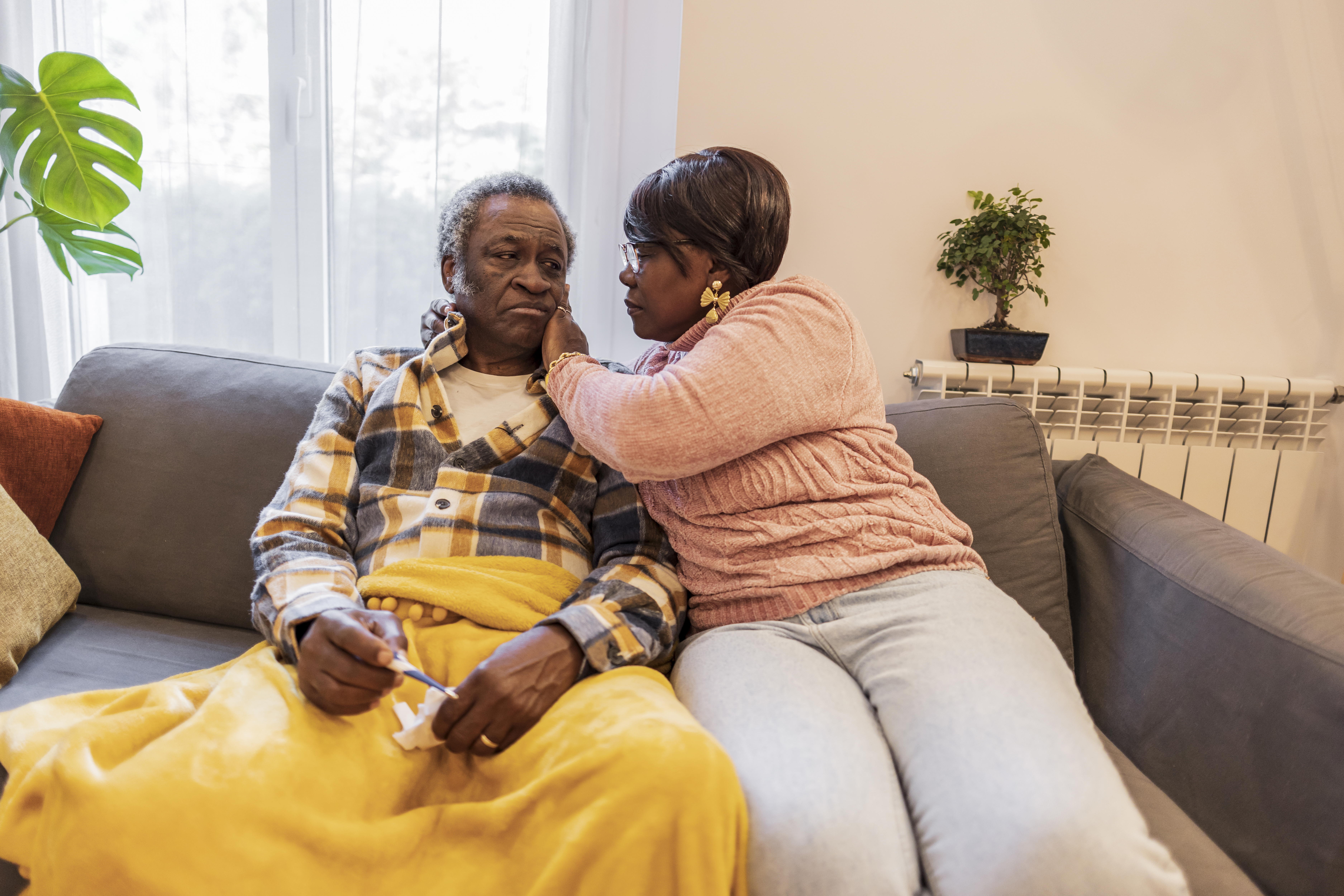
For many families, it is not easy to notice when a loved one needs more support. Usually, change happens gradually. At first, it’s small things that get worse over time. At first glance, minor manifestations may be the first warning signs elderly need help at home.
Physical and Health-Related Warning Signs
The most basic signs a loved one needs home care are physical parameters. Pay attention to whether a person has changed, how he spends his days, and his health. Every little thing in such cases matters.
Mobility Issues, Falls, and Difficulty With Daily Tasks
Balance problems, difficult movement, or frequent falls are warning signs that cannot be ignored. Such changes can significantly affect an elderly person’s quality of life and increase the risk of injury. What to pay attention to:
- difficulties when walking or standing;
- loss of stability and sluggishness in walking;
- recent drops or frequent attempts to keep away from furniture;
- noticeable difficulties with the execution of usual everyday actions.
The caregiver can ensure safe movement, offer fall-prevention strategies, and reduce the likelihood of injury or hospitalization.
With age, it also becomes more difficult for older people to manage hygiene, change clothes, and cook. Constantly helping those around you can be challenging, especially if you have your own responsibilities and family. If you notice that someone is losing weight or has stopped paying attention to basic care, consider hiring a caregiver for extra support.
Professional assistants are trained to help in daily life. They can accompany you during bathing, help with dressing, and cooking.
Missed Medications or Declining Personal Hygiene
Unkempt clothing, missed medication, a poor appearance, or lack of basic hygiene can indicate decreased independence, mood issues, or memory impairment. In such cases, the support of specialists is particularly important: they help a person to take care of themselves, take a shower, get changed, and maintain usual hygiene habits. This not only makes everyday life easier but also helps maintain a sense of dignity and inner peace.
Cognitive and Emotional Changes to Watch For
When elderly parents need assistance? When a person’s emotional state worsens. Isolation, a sense of needlessness, is something that needs to be addressed urgently.
Memory Problems, Confusion, or Disorientation
When a loved one forgets about medication, a doctor’s visit, or repeats the same story several times, it can be a sign of memory loss or cognitive impairment. The domestic helper can take responsibility and remind them to take their medications, monitoring their regularity and correctness. It ensures safety and the timeliness of treatment and helps reduce anxiety for both the individual and their family.
Social Withdrawal, Anxiety, or Mood Changes
Confusion and isolation can worsen many processes. A person does not communicate with anyone, which also negatively affects mental health. The sharp, constant mood swings are signs senior needs caregiver.
Household and Lifestyle Red Flags
Consider a person’s past lifestyle. For example, if neatness and perfect order have never been a priority for your parents, then some clutter alone does not necessarily indicate a problem. The situation should be assessed in comparison to what a person was before, not by general standards. However, there are changes that may indicate a need for assistance. It is particularly important to pay attention to new or growing challenges in daily life, such as:
- mountains of unopened mail or unpaid bills;
- overdue products in the fridge;
- unpleasant odors or poor sanitation;
- empty refrigerator or lack of basic products;
- the difficulty of getting to the mailbox or shop.
The clustering of correspondence is especially important not to ignore. If bills and letters accumulate, it is wise to carefully inquire about an elderly person’s health and well-being.

Unsafe Living Conditions or Poor Nutrition
Housing and nutrition are important components of a person’s life. Regardless of age, conditions must be appropriate.
| Problem | Signs That Help Is Needed |
| Unsafe Living Conditions | The home environment creates a risk of injury or illness. This may include cluttered pathways, poor lighting, unsafe stairs, lack of bathroom grab bars, exposed wires, or non-functioning heating/cooling systems. Warning signs include frequent falls, bruises, difficulty moving around the house, poor hygiene, or visible neglect of the living space. |
| Poor Nutrition | The elderly person does not receive adequate or balanced food and fluids. Signs may include noticeable weight loss, weakness, dehydration, empty or spoiled food supplies, skipped meals, or inability to prepare food safely. This can result from physical limitations, cognitive decline, financial problems, or lack of support. |
When Independent Living Is No Longer Safe
Any alarm bell indicating that an elderly parent can’t live alone anymore may mean that additional care is needed. It causes stress, strains in relationships, and even affects the well-being of those who care for loved ones. However, older people who need more care can get it through specialized agencies where professional caregivers work.
How Home Care Can Help at the Right Time
The support of a skilled caregiver is an opportunity to feel peace of mind for your elderly relative. The specialists will perform all necessary tasks within their responsibilities and ensure maximum comfort and safety.
FAQ
When does reduced activity become a concern rather than normal aging?
If decreased movement limits independence, affects hygiene, or increases fall risk, declining mobility may indicate that the person needs structured assistance at home.
Can personality shifts indicate a need for home care?
Yes. Noticeable changes in behavior, such as irritability, withdrawal, or confusion, may suggest emotional distress, cognitive changes, or unmet daily needs.
What does the constant absence of power mean?
This means that the person is not doing it alone. He needs help that could make his life easier.
How do missed medications point to larger problems?
Repeated medication errors may show difficulty organizing routines, understanding prescriptions, or maintaining consistency without supervision.
When should financial disorganization raise concern?
Unpaid bills, unusual spending, or confusion about money management may indicate cognitive decline or difficulty handling complex tasks independently.