Each year, millions of older adults experience falls or injuries at home, often in places they have lived for decades. Improving home safety for an aging loved one does not require a full renovation. With targeted adjustments and increased awareness, families can reduce risks and help seniors remain comfortably in familiar surroundings.
Seeking additional support when needed can help families create a safer and more stable environment for an aging parent or spouse.
Why Home Safety Is Critical for Older Adults
As people age, changes such as reduced balance, slower reflexes, diminished vision, and decreased muscle strength make everyday spaces more hazardous. A rug that was safe at 50 can become a serious fall risk at 75.
According to the National Council on Aging, falls are the leading cause of fatal and non-fatal injuries among older adults. Beyond physical injury, a fall can trigger a cycle of reduced mobility, fear of moving freely, and loss of independence that is difficult to reverse.
Consistent application of home safety tips for seniors helps prevent these outcomes by addressing risks before they turn into incidents.
Common Home Hazards That Increase Fall and Injury Risks
Many hazards go unnoticed until an accident occurs. The most common dangers in older adult homes include:
- Loose or bunched rugs and uneven flooring
- Poor lighting in hallways, stairwells, and bathrooms
- Lack of grab bars or handrails in key areas
- Cluttered walkways and narrow passages
- Slippery bathtubs or shower floors
- Low toilet seats without support structures
- Unstable furniture used for balance
- Medications that cause dizziness or disorientation
Regular home assessments help families identify these hazards before they cause harm. A structured review — often supported by a home safety for seniors checklist — creates a clear baseline for ongoing mitigation and safety planning.
Room-by-Room Home Safety Considerations
A structured approach to safety for seniors at home requires evaluating each room separately. Risks in a kitchen differ from those in a bathroom or bedroom, so solutions should match the environment.
Living Areas, Bedrooms, and Hallways
Seniors spend much of their time in living rooms, bedrooms, and hallways, which are also common sites for accidents and injuries. Key areas to address include:
- Flooring and pathways: Remove throw rugs or secure them with non-slip backing. Keep floors clear of cords, clutter, and pet toys that could cause trips.
- Lighting: Install nightlights in hallways and near bedroom doors. Use motion-activated lights to reduce the need to navigate in the dark.
- Furniture stability: Chairs and sofas should be firm enough to allow safe sitting and standing. Avoid lightweight or wheeled furniture that shifts when used for support.
- Bed height: Ensure the bed is at a height that allows easy and safe transitions. Bed rails or a grab handle may assist seniors with limited mobility.
In hallways, handrails on both sides of stairwells significantly improve navigation and protection. Stair edges should be clearly visible — colored tape or contrast strips help seniors with vision challenges identify step edges accurately.
Kitchen Safety Tips for Seniors
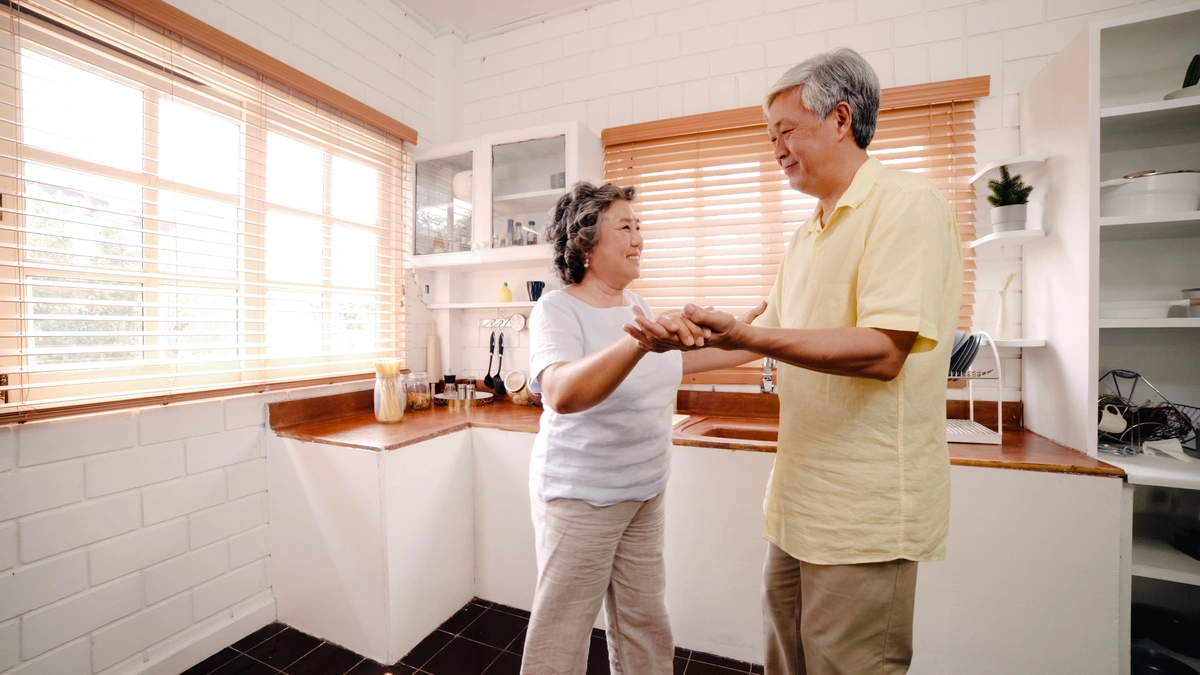
The kitchen presents unique risks, from burns and cuts to slips on wet floors. Maintaining a safe kitchen environment involves both physical modifications and simple habit changes.
| Risk Area | Safety Modification |
| Wet floors | Non-slip mats near the sink and stove |
| Reaching high shelves | Relocate frequently used items to lower cabinets |
| Sharp utensils | Organized storage with blade guards |
| Open flames | Consider induction or smooth-top cooktops |
| Poor visibility | Add under-cabinet lighting |
Stability is also important. A sturdy step stool with a handrail is far safer than a chair or improvised platform.
If reaching, bending, or standing for long periods becomes difficult, assistance with meal preparation can help reduce strain and improve safety.
Bathroom Safety and Fall Prevention Basics
The bathroom is statistically one of the most hazardous rooms in the home for older adults. Wet surfaces, confined spaces, and the physical effort required for bathing and toileting all contribute to elevated accident risk.
Key modifications include:
- Grab bars: Install securely anchored grab bars near the toilet and inside the shower or tub. These should support full body weight — towel bars are not a substitute.
- Non-slip surfaces: Use textured bath mats inside and outside the tub or shower. Apply non-slip adhesive strips to tub floors.
- Shower seating: A shower bench or built-in seat allows seniors to bathe safely without prolonged standing.
- Accessible toileting: Raised toilet seats and toilet safety frames reduce strain and lower injury risk during transfers.
Water temperature is another consideration. Setting the water heater to 120°F or below reduces scalding risk, particularly for seniors with reduced sensation. Lever-style faucet handles are easier to operate than round knobs and allow better temperature control.
Home Safety Checklists and Simple Modifications
A structured home safety checklist for seniors is one of the most practical tools a family can use. It turns vague concern into clear, actionable steps — and ensures nothing is overlooked.
A basic checklist should cover:
- All floor surfaces checked for rugs, cords, and uneven areas
- Adequate lighting in every room, hallway, and stairwell
- Grab bars and handrails installed where needed
- Bathroom modifications completed (non-slip, grab bars, seat)
- Kitchen hazards addressed (storage, mats, lighting)
- Medications reviewed for dizziness or balance side effects
- Emergency contacts and alert systems are in place
- Smoke and carbon monoxide detectors are tested and functional
Beyond the checklist, simple home modifications can make a significant difference without major construction. Lever door handles replace round knobs that are difficult for arthritic hands. Bright, contrasting colors on step edges aid depth perception. A personal emergency response button worn as a pendant gives seniors — and their families — immediate access to help.
| Modification | Benefit |
| Grab bars (per bar) | Fall prevention in the bathroom |
| Non-slip bath mats | Reduces slip risk on wet surfaces |
| Motion-sensor nightlights | Safer nighttime navigation |
| Raised toilet seat | Easier transfers, less strain |
| Stair handrail addition | Improved stability on stairs |
These modifications are low-cost relative to the expense and trauma of treating a fall-related injury. The American Geriatrics Society recommends that home safety assessments be conducted regularly, particularly after any significant health change or hospitalization.
How Caregivers and Family Members Can Improve Home Safety
Family members play a central role in maintaining home safety for an aging loved one. Regular visits allow families to spot new hazards, check that modifications remain intact, and observe whether the senior’s mobility or awareness has changed. But family involvement has natural limits — distance, work schedules, and emotional dynamics can all reduce how consistently safety is monitored.
Additional support can play an important role in maintaining a safe home environment. A consistent presence — whether from family members or trusted support networks — helps identify potential hazards, such as shifted rugs, poor lighting, or changes in mobility. Regular assistance can reinforce safe daily habits, support movement, and ensure a faster response in case of an emergency.