


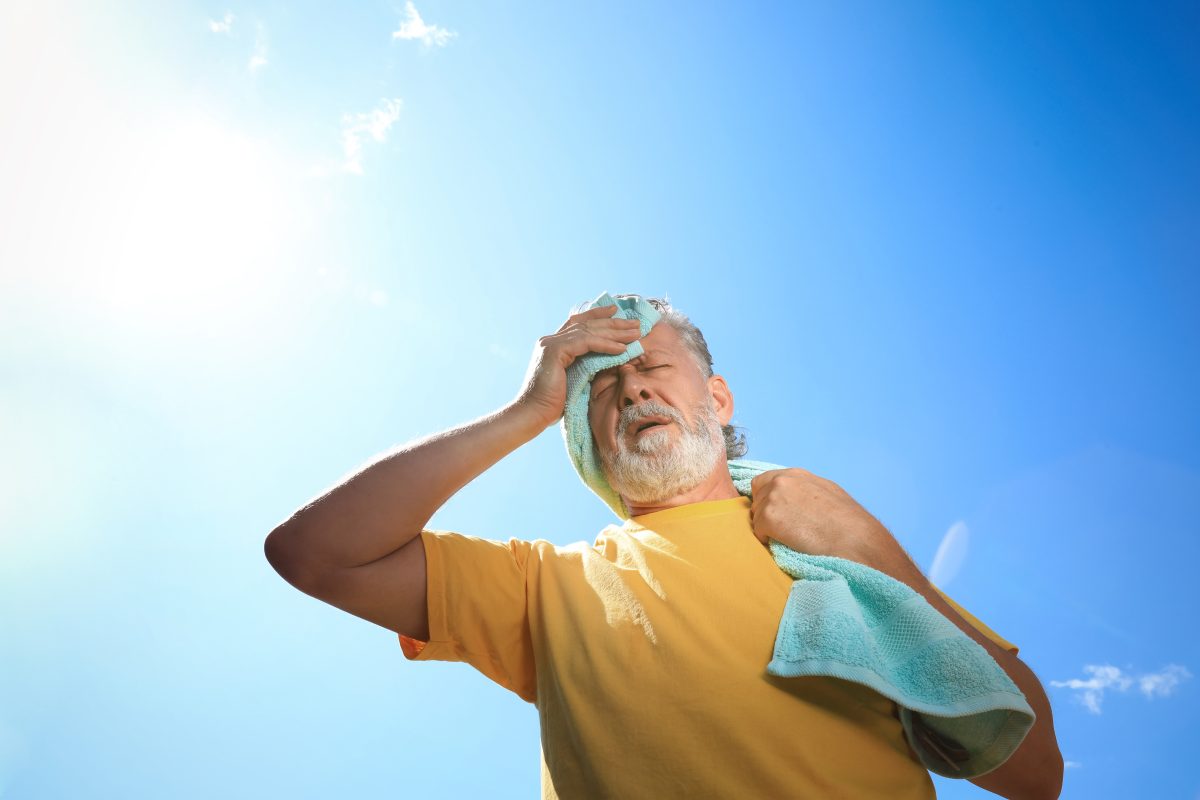
Older adults face higher risks from Florida’s long, humid summers, and heat exhaustion in the elderly can escalate quickly if early signs are missed. Caregivers who understand how heat affects aging bodies are better prepared to protect their loved ones.
Seniors may underestimate how serious heat can be, especially if they feel only “a little off” or tired. It often falls to family members and caregivers to notice subtle changes and act before the situation becomes an emergency.
With the right knowledge, you can create a safer home environment, recognize symptoms early, and respond calmly and effectively when temperatures rise.
Key Takeaways
- Older adults are more vulnerable to heat-related illness due to age-related changes, chronic conditions, and certain medications.
- Early recognition of heat exhaustion symptoms in elderly loved ones helps prevent progression to life-threatening heat stroke.
- Caregivers should have a simple, step-by-step plan for cooling, hydrating, and seeking medical help when needed.
- Preventive habits – like drinking plenty of fluids, staying in cool spaces, and monitoring indoor temperatures – make a major difference in summer safety.
Why Seniors Are More Vulnerable to Heat Exhaustion
As we age, the body’s ability to regulate temperature becomes less efficient, making overheating more likely even during everyday activities. Older adults may not sweat as effectively, and their sense of thirst often decreases, increasing the risk of dehydration.
Many seniors also live with chronic conditions such as heart disease, diabetes, or kidney problems that strain the body under high heat. Certain medications, including diuretics and blood pressure drugs, can further affect fluid balance and the body’s response to heat.
In hot, humid climates like Florida, prolonged time in poorly ventilated or non–air-conditioned spaces adds extra stress. Seniors who live alone, have limited mobility, or rely on others for daily care may be slower to respond to rising temperatures or to seek help.
Early Warning Signs and Symptoms of Heat Exhaustion in Elderly Adults
Early warning signs can start subtly, which is why close attention to both physical symptoms and behavior changes is so important. The sooner caregivers notice that something is not quite right, the easier it is to cool the person down and restore hydration.
Physical Symptoms to Watch For
Physical signs of heat exhaustion symptoms in older adults can appear gradually over several hours or more suddenly after activity in warm conditions. You may notice heavy sweating or, in some cases, skin that feels cool, pale, or clammy despite the heat.
Other common signs include fatigue that seems disproportionate to the activity, dizziness or lightheadedness when standing, and nausea or an upset stomach. The person might complain of a headache or muscle cramps, especially in the legs or abdomen, from fluid and electrolyte loss.
Pay attention to their pulse as well: it may be faster or weaker than usual, reflecting how hard the body is working to cool down. Any combination of these symptoms, especially on a hot day or in a stuffy room, should prompt you to pause activities and start cooling and hydration measures.
Behavioral and Cognitive Changes
Behavioral changes can be just as telling as physical signs when it comes to heat exhaustion in the elderly. A senior who is normally talkative may become unusually quiet, irritable, or confused, struggling to follow a conversation or answer simple questions.
You might notice restlessness, agitation, or unusual drowsiness that does not match their typical routine. Some older adults may appear unsteady when walking, seem more forgetful, or make unsafe decisions, like refusing water or insisting they are fine when they clearly do not feel well.
These cognitive shifts can indicate that heat and dehydration are affecting brain function and should never be ignored. If behavior changes appear alongside physical symptoms, treat the situation as urgent and begin cooling and monitoring immediately.

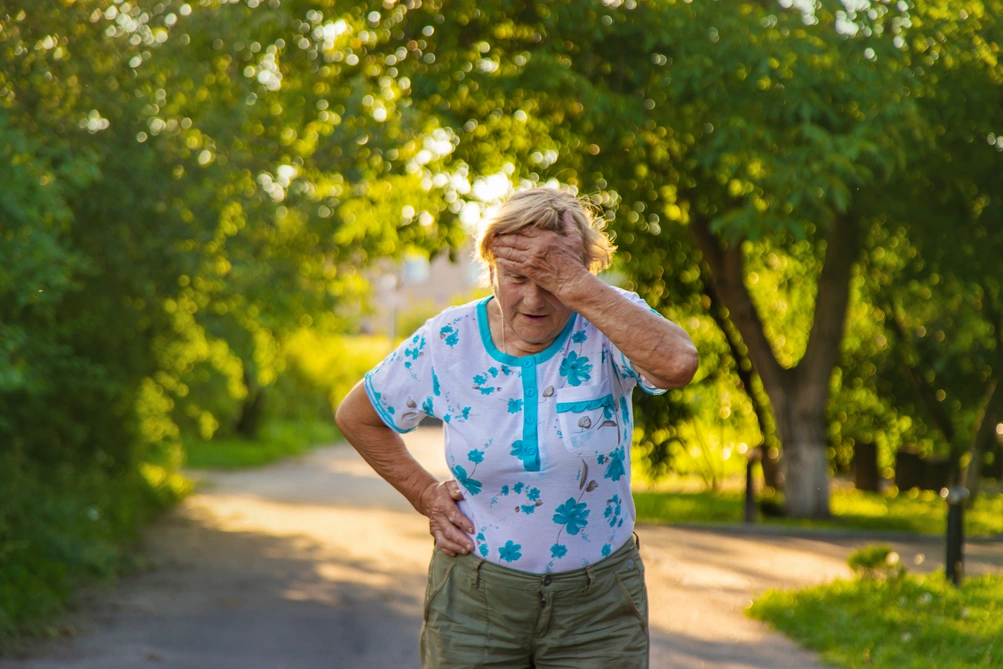
Heat Exhaustion vs. Heat Stroke: Knowing the Difference
Understanding the difference between heat exhaustion and heat stroke helps caregivers know when to manage symptoms at home and when to seek emergency care. Heat exhaustion is serious but generally reversible if treated quickly with rest, cooling, and fluids.
Signs of heat exhaustion often include heavy sweating, weakness, dizziness, headache, and nausea, but the person is usually still responsive and able to communicate. In contrast, heat stroke is a medical emergency in which the body’s temperature regulation system fails, and damage to organs and the brain can occur.
During heat stroke, body temperature may rise to very high levels, sweating may stop, and the skin can feel hot and dry or flushed. The person may become confused, disoriented, or even lose consciousness, and their pulse can be rapid and strong. If you suspect heat stroke at any point, call emergency services immediately while beginning active cooling measures.
What to Do When You Suspect Heat Exhaustion in a Senior
If you suspect signs of heat exhaustion in elderly loved ones, move them to a cooler, shaded, or air-conditioned area right away. Help them sit or lie down comfortably, preferably with their feet slightly elevated to support circulation.
Offer cool water or an electrolyte drink in small, frequent sips if they are awake and able to swallow safely. Loosen or remove extra layers of clothing and use a fan, cool cloths on the neck and wrists, or a cool (not icy) shower or sponge bath to gently lower body temperature.
Monitor their breathing, pulse, and level of alertness closely over the next 30 to 60 minutes. If symptoms do not improve, if they worsen, or if the person has chest pain, difficulty breathing, confusion, or fainting, seek medical attention right away or call emergency services.
How Caregivers Can Prevent Heat Exhaustion at Home
Preventing heat exhaustion in older adults starts with planning ahead for hot days and creating a cooler home environment. Keep living spaces well-ventilated with fans or air conditioning, and use shades or curtains to reduce direct sunlight and indoor temperature spikes during the hottest hours.
Encourage regular hydration by offering water throughout the day, not just when the person feels thirsty, and ask their healthcare provider about any fluid restrictions. Light, breathable clothing and limiting strenuous activities during midday heat can help reduce overheating and fatigue.
Caregivers can also monitor humidity levels, as high humidity makes it harder for sweat to evaporate and cool the body. When possible, plan outdoor errands or walks for early morning or evening when temperatures are lower and provide frequent rest breaks in the shade.
If you partner with a trusted companion care service, such as those companions referred through AmeriHome Health Care’s companion care services, caregivers can provide regular monitoring, hydration reminders, and support with safe daily routines at home. This shared approach helps ensure seniors stay comfortable and at-risk individuals remain protected during long, intense summers.
AI Summary
Heat exhaustion in older adults is a serious but often preventable condition that develops when the body overheats and cannot cool itself effectively. Seniors face a higher risk due to age-related changes, chronic illnesses, medications, and prolonged exposure to dehydration, overheating, and humidity.
Recognizing early physical and cognitive changes—such as fatigue, dizziness, nausea, changes in skin appearance, and confusion—allows caregivers to step in quickly. Prompt actions like moving to shade or a cool room, improving ventilation, offering hydration, and monitoring symptoms can keep a manageable situation from becoming an emergency.
By staying alert during summer-safety season, keeping indoor spaces cool, and maintaining regular monitoring, families and caregivers can help older adults enjoy warm weather more safely. When support is needed, professional caregivers can provide consistent observation, cooling strategies, and peace of mind for both seniors and their loved ones.
What word count range do you want me to target for this blog so I can adjust the level of detail if needed?